-
€ 27,50

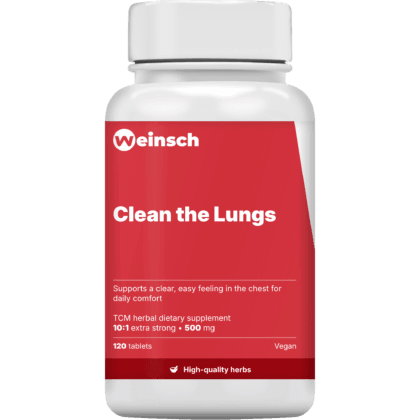
Clean the Lungs
-
€ 29,50

Clear Throat
-
€ 25,50

Inner Harmony & Core Comfort
-
€ 30,50

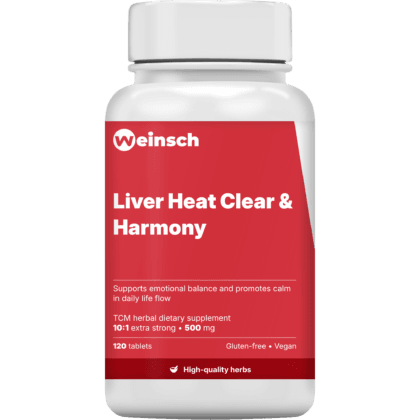
Liver Heat Clear & Harmony
Trichosanthes Seed
Trichosanthes Seed (Gua Lou Ren) – The Botanical Used in Traditional Systems to Support Respiratory Comfort and Bowel Regularity
Trichosanthes seed (Gua Lou Ren) is the traditional Chinese medicine name for the dried, mature seeds of Trichosanthes kirilowii (snake gourd), a unique botanical that has been part of traditional East Asian herbal systems for over 2000 years. It is regarded as a botanical with cooling and moistening properties, particularly suitable for formulas aimed at clearing dry-heat from the lungs, easing the chest, and lubricating the digestive tract.
Traditional Understanding in TCM Systems
Within traditional Chinese medicine, Trichosanthes seed (Gua Lou Ren) is described as a sweet botanical substance with cold properties. In the TCM theoretical framework, it acts on the so-called Lung, Stomach, and Large Intestine meridians. According to this traditional description, Trichosanthes seed “Clears Lung Heat,” “Transforms Phlegm,” and “Moistens the Intestines” – TCM concepts that stand for resolving thick, heat-baked mucus in the airways and relieving dryness in the digestive system. When heat and dryness accumulate, related discomforts such as a tight chest, sticky phlegm, and dry constipation can arise. Trichosanthes seed helps perform this cooling, hydrating, and mobilizing effect.
In TCM formulas, Trichosanthes seed (Gua Lou Ren) is seen as a botanical that helps support normal lung fluid balance, unbind the chest, and promote smooth bowel movements. It is traditionally used to promote clear airways, soothe dry and irritated lungs, reduce feelings of oppression in the chest, and foster a comfortable, regular digestive flow.
Botanical Composition and Research
Trichosanthes seed (Gua Lou Ren) contains primarily rich fatty oils (including linoleic acid and oleic acid), triterpenoid saponins, sterols, and various plant proteins. This lipid-rich and saponin-heavy profile is connected in traditional applications with support for normal mucosal hydration and cellular lubrication.
Modern scientific research shows that Trichosanthes seed extracts can offer specific benefits. Studies show that Trichosanthes seed (Gua Lou Ren) preparations:
-
Possess expectorant properties and help thin and clear stubborn mucus from the respiratory tract
-
Can have a mild, natural laxative effect by lubricating the intestinal walls
-
Can support normal cardiovascular function and ease chest tightness
-
Possess antioxidant activity to help combat free radicals
-
Can have anti-inflammatory action, particularly for respiratory and digestive tissues
-
Contain beneficial fatty acids that support normal cellular barrier health
-
Can work supportively on normal immune responses
Scientists particularly investigate how the fatty oils and saponins in the seeds can contribute to normal mucosal lubrication in both the lungs and the gastrointestinal tract, promoting physical comfort and tissue resilience.
Traditional Applications – TCM Context
In traditional TCM formulas, Trichosanthes seed (Gua Lou Ren) is classically used in situations described as:
-
Dry cough or cough accompanied by thick, yellow, and difficult-to-expectorate phlegm
-
Sensations of tightness, pain, or heavy oppression in the chest
-
Dry mouth and throat associated with internal heat
-
Sluggish bowel movements or dry constipation
-
Restlessness associated with heat and dryness in the body
These are traditionalist descriptions that form part of the TCM thinking system and must not be equated with medical diagnoses in the sense of European medicinal product law.
Well‑being and Daily Use
Trichosanthes seed (Gua Lou Ren) is valued by modern users as part of a conscious wellness routine aimed at respiratory hydration, chest comfort, and digestive regularity, especially during dry, hot seasons or when recovering from heat-related respiratory challenges. The herb works optimally in balanced herbal mixtures, combined with adequate daily hydration, a fiber-rich diet, and a healthy lifestyle.
Many users see Trichosanthes seed (Gua Lou Ren) as part of a long-term approach to mucosal health and internal lubrication – as a supportive element in traditional routines, alongside professional guidance and regular medical care when needed.