-
€ 25,50

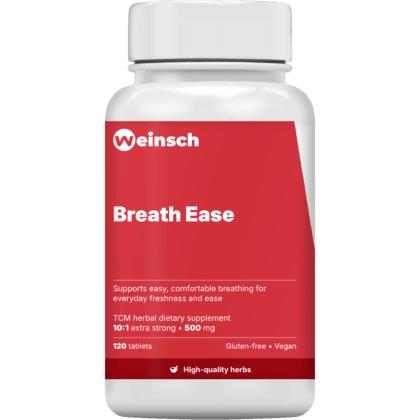
Breath Ease
-
€ 27,50

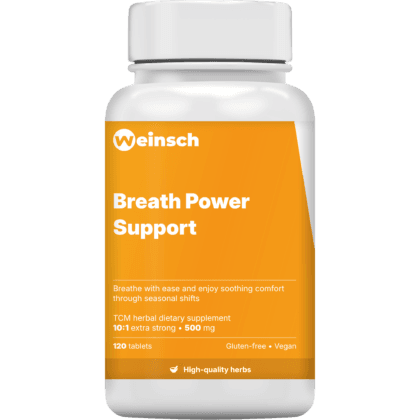
Breath Power Support
Stemona Root Tuber
Stemona Root Tuber (Bai Bu) – The Botanical Used in Traditional Systems to Soothe the Lungs and Calm Coughs
Stemona root tuber (Bai Bu), also known as “Stemona Root,” is the traditional Chinese medicine name for the dried root tuber of Stemona sessilifolia, Stemona japonica, or Stemona tuberosa. This unique botanical has been a staple in East Asian herbal systems for over 2000 years and is particularly known for its ability to support normal respiratory function, soothe the throat and lungs, and maintain normal topical skin ecology.
Traditional Understanding in TCM
Within traditional Chinese medicine, Stemona root tuber (Bai Bu) is described as a sweet, bitter, and slightly warm herb with a moistening and descending character. In the TCM theoretical framework, it acts primarily on the Lung meridian. According to this traditional description, Stemona root tuber (Bai Bu) supports “moistening the Lungs” and “directing Qi downward” – crucial TCM concepts for normalizing respiratory manifestations and clearing stagnation.
Stemona root tuber (Bai Bu) is seen in TCM as an herb that “stops cough,” “moistens the respiratory tract,” and “kills parasites” (when used topically). It is traditionally used to promote normal breathing, ease chronic respiratory spasms, support mucosal hydration, and maintain normal skin hygiene when applied externally.
Biological Composition and Research
Stemona root tuber (Bai Bu) contains numerous biologically active substances, of which the main ones are:
-
Stemona alkaloids (such as stemonine and tuberostemonine) – primary active respiratory compounds
-
Organic acids – metabolic components that support tissue health
-
Amino acids and proteins – structural building blocks
-
Trace minerals – essential cellular nutrients
-
Plant sterols and sugars – cellular energy and structural components
Modern scientific research shows that Stemona root tuber (Bai Bu) components can offer diverse benefits:
-
Antitussive support: Research suggests that Stemona alkaloids can help relax respiratory smooth muscles, supporting a calm and normal cough reflex.
-
Antimicrobial action: Studies indicate that certain components possess antimicrobial and antiparasitic properties, which can provide support for normal topical skin hygiene.
-
Anti-inflammatory effects: Certain compounds can help maintain normal inflammation balance, particularly in the delicate tissues of the respiratory tract.
-
Respiratory lubrication: Traditional use and modern observation point to a role in maintaining normal mucosal hydration and easing dryness.
-
Antioxidant activity: The root tuber contains antioxidants that provide protection against environmental free radicals and cellular stress.
Traditional Applications in TCM
In traditional TCM formulas, Stemona root tuber (Bai Bu) is classically used in situations described as:
-
Acute or chronic coughing accompanied by a tickling sensation
-
Dry throat or respiratory fatigue
-
Spasmodic respiratory discomfort worsened by environmental irritants
-
Supporting normal lung comfort during seasonal transitions
-
Topical support for minor skin irritations or topical hygiene needs
-
Maintaining normal respiratory moisture during dry winter months
These are traditionalist descriptions that form part of the TCM thinking system and must not be equated with medical diagnoses in the sense of European medicinal product law.
Well-being and Daily Use
Stemona root tuber (Bai Bu) is valued by modern users as part of a conscious wellness routine aimed at respiratory comfort, normal mucosal hydration, and general upper-body vitality, especially when they are under winter stress, experiencing dry air, or wish to support their throat comfort. The herb works optimally in warm decoctions, in traditional formulas, or as part of external topical washes for skin hygiene.
Many users see Stemona root tuber (Bai Bu) as part of a seasonal health practice – especially for autumn and winter wellness – as a supportive element in traditional routines, alongside professional guidance and regular medical care when needed.