Starch – Carbohydrate Ingredient for Energy, Structure, and Formula TechnologyStarch is a carbohydrate ingredient naturally found in plants such as corn, potato, rice, wheat, and tapioca. In dietary supplements and functional foods, it is commonly used as an energy-containing raw material, but also as a filler, binder, carrier, or texture aid in powders, capsules, tablets, and food products.Modern systems perspective – “Functional plant carbohydrate”In modern nutrition and formulation, starch is usually viewed as a functional plant carbohydrate rather than a classic active herb or micronutrient. It can contribute to the carbohydrate base of a product while also helping ingredients remain technically workable, consistent, and stable. Because of that, it often serves both a nutritional role and a formulation role.Distinctive feature – Structure, binding, and usabilityWhat makes starch distinctive is its combination of neutral taste, broad usability, and strong impact on texture. Depending on its source and processing, it may serve as a binder, thickener, capsule filler, tablet aid, or carrier for other nutrients and botanical extracts. That makes it one of the most widely used foundational ingredients in foods and supplement formulas.Origin and compositionStarch consists of plant polysaccharides, mainly amylose and amylopectin. It is obtained from starch-rich plant sources and then purified, dried, or further processed for specific applications. In products, it may appear as native starch, pregelatinized starch, or modified starch, depending on the intended solubility, binding behavior, or stability.Properties in practiceIn practice, starch is mainly used for:Carbohydrate delivery as part of the energy content of foods.Binding and firmness in tablets, powders, and chewables.Texture and mouthfeel in drink powders, functional foods, and sachets.Carrier function for vitamins, minerals, flavors, or botanical ingredients.With standard starch, the emphasis is usually on structure and formulation rather than a strongly targeted physiological role such as that seen with specialized fibers or active extracts.Use in modern formulasStarch is widely used in:capsules and tablets as a filler or binder,meal powders and functional foods as a carbohydrate base,sports and energy blends,gummies, chewables, and instant powders for structure and stability.Depending on the product, starch may be a main ingredient or only a minor technical excipient.Dosage, use and considerationsThe amount used depends heavily on the purpose it serves in the formula. As an excipient, it is often present in small amounts, while in meal products or carbohydrate-focused formulas it may make up a much larger share. People who actively monitor carbohydrate intake or blood sugar response may want to pay attention to the total starch content of a product.Warnings and target groupsStarch is generally well tolerated, but tolerance can vary with the source, processing method, and total amount consumed. Some people may be more sensitive to certain starch sources or to highly processed carbohydrate-rich products. In cases of specific dietary restrictions, sensitive digestion, or glucose-management concerns, it is sensible to review the full product composition carefully.
-
€ 16,00

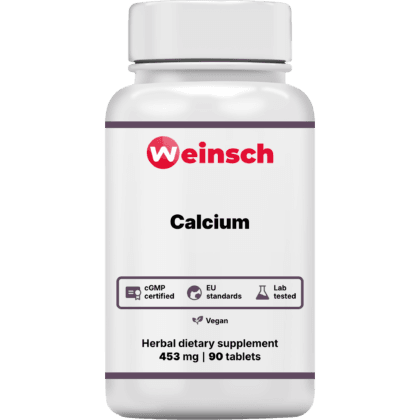
Calcium
-
€ 24,50

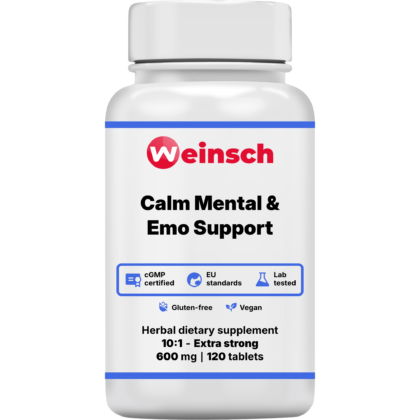
Calm Mental & Emo Support
-
€ 24,50

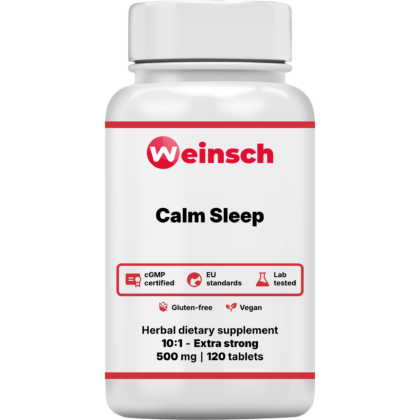
Calm Sleep
-
€ 24,50

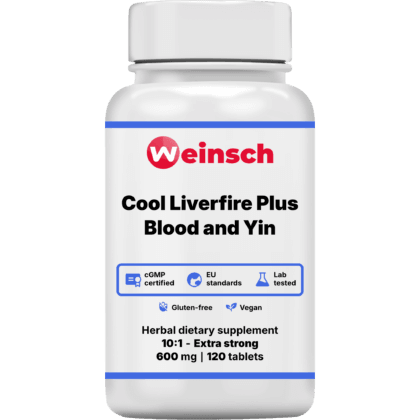
Cool Liverfire Plus Blood and Yin
-
€ 24,50

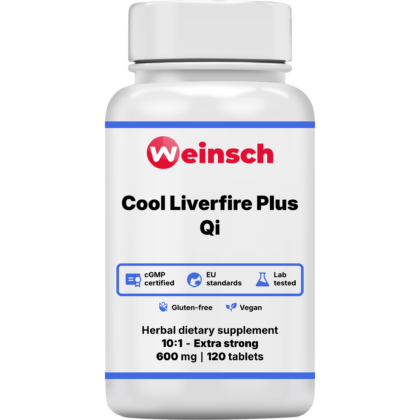
Cool Liverfire Plus Qi
-
€ 24,50

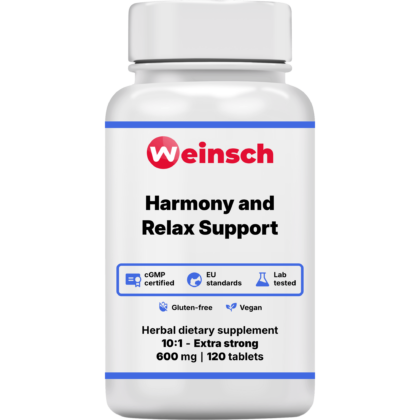
Harmony and Relax Support
-
€ 24,50

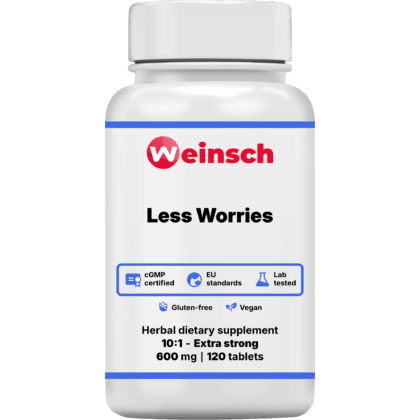
Less Worries
-
€ 24,50

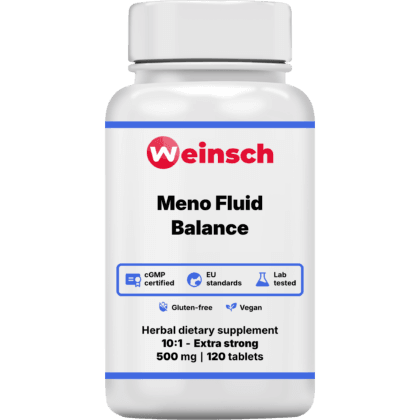
Meno Fluid Balance
-
€ 24,50

Nice Dream Support
-
€ 24,50

Prostate Comfort Support
-
€ 24,50

Small Joints Support
-
€ 20,00

Vitamin K2 + D3 softgel