-
€ 25,50

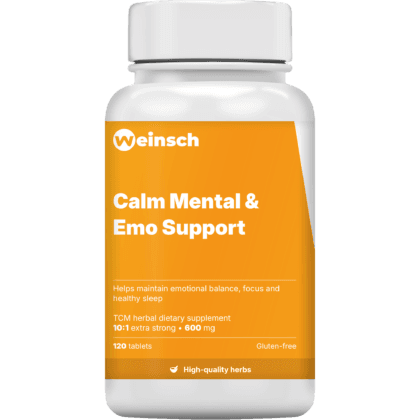
Calm Mental & Emo Support
-
€ 29,50

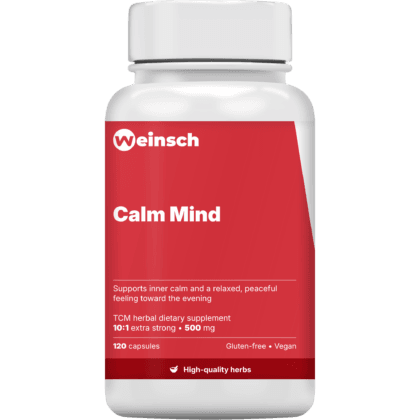
Calm Mind
-
€ 25,50

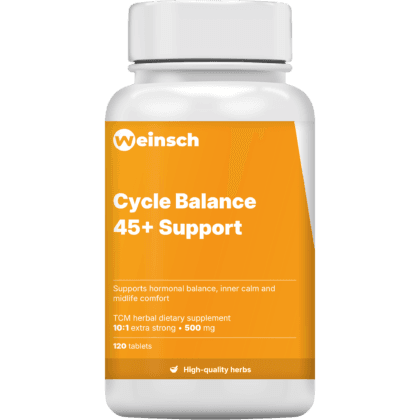
Cycle Balance 45+ Support
-
€ 25,50

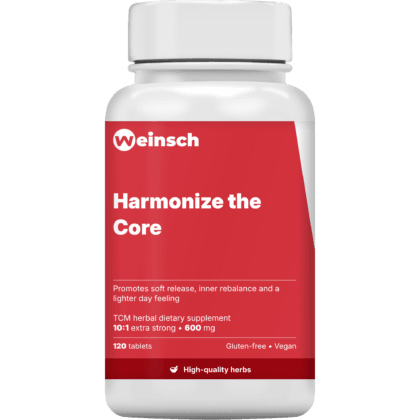
Harmonize the Core
-
€ 27,50
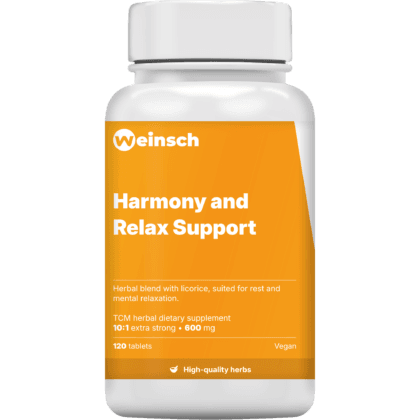
Harmony and Relax Support
-
€ 25,50
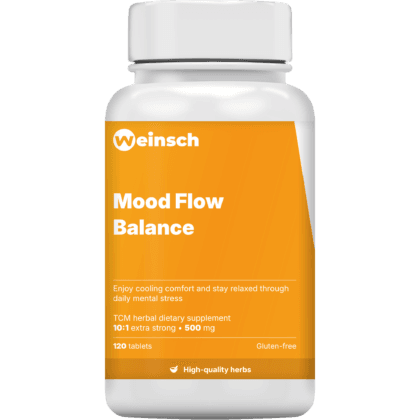
Mood Flow Balance
-
€ 30,50
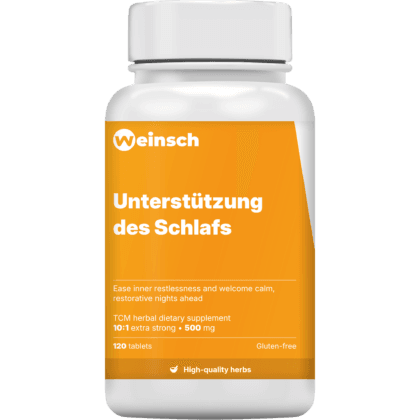
Unterstützung des Schlafs
Silk Tree Bark
Silk Tree Bark (He Huan Pi) – The Botanical Used in Traditional Systems to Uplift Mood and Calm the Spirit
Silk tree bark (He Huan Pi) is the traditional Chinese medicine name for the dried stem bark of Albizia julibrissin (mimosa tree or silk tree), a beautiful flowering tree that has been utilized in traditional East Asian herbal systems for centuries. Often affectionately referred to as the “happiness bark,” it is regarded as a gently uplifting and calming botanical, particularly suitable for formulas aimed at soothing emotional distress, easing inner tension, and promoting restful sleep.
Traditional Understanding in TCM Systems
Within traditional Chinese medicine, silk tree bark (He Huan Pi) is described as a sweet botanical with a neutral nature. In the TCM theoretical framework, it acts primarily on the Heart and Liver meridians. According to this traditional description, silk tree bark relieves stagnant “Qi” (energy) in the Liver caused by pent-up emotions, while simultaneously nourishing the Heart to calm the so-called “Shen” (spirit or inner calm).
In TCM formulas, silk tree bark (He Huan Pi) is seen as a crucial harmonizing herb that helps process grief, worry, and emotional heavy-heartedness. It is traditionally used to lift a depressed mood, ease irritability, and calm an unsettled mind that prevents deep and restorative sleep.
Botanical Composition and Research
Silk tree bark (He Huan Pi) contains a variety of active compounds, including triterpenoid saponins, flavonoids (such as quercetin), tannins, and lignans. This phytochemical profile is connected in traditional applications with profound support for emotional balance and nervous system harmony.
Modern scientific research shows that silk tree bark extracts can offer specific benefits. Studies show that silk tree bark (He Huan Pi) preparations:
-
Possess mild sedative properties that can support healthy sleep latency and duration
-
Can offer mood-supporting and adaptogenic effects during times of mental stress
-
Help promote normal nervous system function and relaxation
-
Possess antioxidant activity that combats free radical damage
-
Can support normal, healthy blood circulation
-
Offer mild anti-inflammatory action
Scientists particularly investigate how the saponins and flavonoids of this bark can interact with the central nervous system to naturally support a balanced mood and healthy stress response.
Traditional Applications – TCM Context
In traditional TCM formulas, silk tree bark (He Huan Pi) is classically used in situations described as:
-
Emotional distress, grief, or a feeling of a heavy heart
-
Irritability, mood swings, or frustration due to stress
-
Restlessness or an inability to fall asleep due to racing thoughts
-
A sensation of tightness or constraint in the chest linked to anxiety
-
Forgetfulness associated with emotional exhaustion
-
Poor circulation or minor physical trauma (due to its secondary blood-invigorating properties)
These are traditionalist descriptions that form part of the TCM thinking system and must not be equated with medical diagnoses in the sense of European medicinal product law.
Well-being and Daily Use
Silk tree bark (He Huan Pi) is valued by modern users as part of a conscious wellness routine aimed at emotional resilience, mood support, and mental tranquility, especially for individuals experiencing chronic stress, heartbreak, or sleep disruptions caused by worry. The herb works optimally in balanced herbal mixtures, combined with a nutrient-dense diet, mindfulness practices, and effective emotional processing or therapy.
Many users see silk tree bark (He Huan Pi) as part of a gentle, long-term approach to mental well-being – as a supportive element in traditional routines, alongside professional guidance and regular medical care when needed.