-
€ 29,50

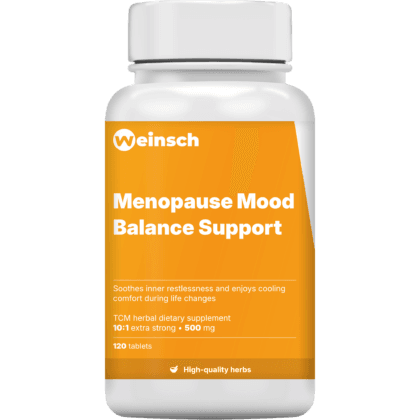
Menopause Mood Balance Support
Pyrola Herb
Pyrola Herb (Lu Ti Cao) – The Botanical Used in Traditional Systems to Strengthen Sinews and Dispel Wind-Dampness
Pyrola herb (Lu Ti Cao) is the traditional Chinese medicine name for the dried aerial parts of Pyrola calliantha or Pyrola decorata, commonly known as wintergreen. This resilient forest plant has been highly valued in East Asian herbal systems for centuries. It is particularly known for its dual ability to nourish the body’s foundational energy reserves while simultaneously clearing dampness and cold from the joints and muscles.
Traditional Understanding in TCM Systems
Within traditional Chinese medicine, pyrola herb (Lu Ti Cao) is described as a sweet, bitter, and neutral to slightly warm botanical. In the TCM theoretical framework, it acts primarily on the Liver and Kidney meridians. According to this traditional description, pyrola herb (Lu Ti Cao) supports “tonifying the Liver and Kidneys” and “dispelling Wind-Dampness” – crucial TCM concepts for normalizing skeletal strength and clearing sluggish, aching stagnation from the limbs.
Pyrola herb (Lu Ti Cao) is seen in TCM as an herb that “strengthens sinews and bones” and “stops chronic coughing.” It is traditionally used to promote normal joint mobility, ease lower back and knee weakness, and help the body resolve deep-seated cold and dampness in the connective tissues.
Biological Composition and Research
Pyrola herb (Lu Ti Cao) contains numerous biologically active substances, of which the main ones are:
-
Arbutin – a naturally occurring glycoside with urinary tract and antioxidant benefits
-
Chimaphilin – a unique quinone compound studied for its immune and metabolic effects
-
Flavonoids – plant-based antioxidants that protect cellular health
-
Tannins – astringent organic compounds
-
Organic acids – metabolic components that support tissue health
Modern scientific research shows that pyrola herb (Lu Ti Cao) components can offer diverse benefits:
-
Joint and muscle comfort: Research suggests that the active compounds can provide support for normal pain relief, particularly in joints affected by cold and damp environments.
-
Anti-inflammatory effects: Studies indicate that flavonoids and chimaphilin can help maintain normal inflammation balance in connective tissues.
-
Urinary tract support: The presence of arbutin provides natural antimicrobial properties that can support normal urinary hygiene and comfort.
-
Antioxidant activity: The herb contains potent antioxidants that provide protection against environmental free radicals and cellular stress.
-
Cardiovascular health: Traditional use and modern observation point to a role in supporting normal microcirculation and vascular tone.
Traditional Applications – TCM Context
In traditional TCM formulas, pyrola herb (Lu Ti Cao) is classically used in situations described as:
-
Lower back and knee weakness accompanied by a feeling of cold or aching
-
Joint stiffness and discomfort that worsens in damp or rainy weather
-
General physical fatigue tied to depleted foundational energy in the Liver and Kidneys
-
Mild, chronic coughing linked to physical exhaustion
-
Supporting normal urinary comfort and flow
These are traditionalist descriptions that form part of the TCM thinking system and must not be equated with medical diagnoses in the sense of European medicinal product law.
Well-being and Daily Use
Pyrola herb (Lu Ti Cao) is valued by modern users as part of a conscious wellness routine aimed at joint mobility, skeletal strength, and foundational vitality. Because of its strengthening yet clearing nature, the herb works optimally when brewed into a warm tea or included in targeted herbal decoctions, combined with gentle movement practices like tai chi and adequate protection from cold, damp environments.
Many users see pyrola herb (Lu Ti Cao) as a foundational, supportive element in traditional routines – especially for resolving localized tension and cold-related joint discomfort – alongside regular medical care when needed.