Kudzu Root (Ge Gen) – The Botanical Used in Traditional Systems to Release Tension and Generate FluidsKudzu root (Ge Gen) is the traditional Chinese medicine name for the dried root of Pueraria lobata (kudzu vine), a unique botanical that has been part of traditional East Asian herbal systems for over 2000 years. It is regarded as a botanical with cooling, releasing, and moistening properties, particularly suitable for formulas aimed at easing muscle tension in the upper body, supporting healthy hydration, and promoting outer comfort.Traditional Understanding in TCM SystemsWithin traditional Chinese medicine, Kudzu root (Ge Gen) is described as a sweet and acrid botanical substance with cool properties. In the TCM theoretical framework, it acts on the so-called Spleen and Stomach meridians. According to this traditional description, Kudzu root "Releases the Exterior," "Relaxes the Muscles," and "Generates Fluids" – TCM concepts that stand for ventilating external disruptive influences, easing tight muscles (especially in the neck and upper back), and replenishing the body's natural moisture. When external wind-cold or wind-heat creates tightness, or when internal heat depletes fluids, related discomforts such as a stiff neck, excessive thirst, and bodily tension can arise. Kudzu root helps perform this relaxing and hydrating effect.In TCM formulas, Kudzu root (Ge Gen) is seen as a botanical that helps support normal muscle comfort, promote healthy microcirculation to the upper body, and soothe a dry mouth. It is traditionally used to ease stiffness in the neck and shoulders, support digestive comfort during episodes of sudden loose stools, and foster a more balanced, fluid-rich internal state.Botanical Composition and ResearchKudzu root (Ge Gen) contains primarily isoflavones (most notably puerarin, daidzin, and daidzein), triterpenoid saponins, and complex carbohydrates. This rich isoflavone profile is connected in traditional applications with support for normal vascular health, muscle relaxation, and metabolic vitality.Modern scientific research shows that Kudzu root extracts can offer specific benefits. Studies show that Kudzu root (Ge Gen) preparations:Possess antioxidant activity and can combat free radicalsCan help support normal blood flow and microcirculation, particularly to the head and neckHave a relaxing effect on smooth muscles and may ease tension in the upper backCan support normal cardiovascular function and vascular elasticityContain puerarin, which is widely investigated for its protective effects on cellular health and neurological balanceCan work supportively on normal gastrointestinal function and metabolic balanceScientists particularly investigate how the isoflavone components of the root can interact with vascular receptors to contribute to normal blood circulation and the natural relaxation of muscle tissues.Traditional Applications – TCM ContextIn traditional TCM formulas, Kudzu root (Ge Gen) is classically used in situations described as:Stiff, tight, or aching sensation in the neck, shoulders, and upper backSensitivity to drafts or wind accompanied by localized muscle tensionExcessive thirst, dry mouth, or a feeling of depleted fluidsSudden digestive upset or loose stools associated with internal heatRestless feeling accompanied by mild heat sensationsOccasional discomfort associated with overindulgence in rich foods or alcoholThese are traditionalist descriptions that form part of the TCM thinking system and must not be equated with medical diagnoses in the sense of European medicinal product law.Well‑being and Daily UseKudzu root (Ge Gen) is valued by modern users as part of a conscious wellness routine aimed at physical comfort, muscle relaxation, and internal hydration, especially when spending long hours working at a desk, during seasonal transitions, or when feeling stiff and dehydrated. The herb works optimally in balanced herbal mixtures, combined with adequate daily hydration, regular stretching, and a healthy lifestyle.Many users see Kudzu root (Ge Gen) as part of a long-term approach to structural ease and vascular health – as a supportive element in traditional routines, alongside professional guidance and regular medical care when needed.
-
€ 24,50

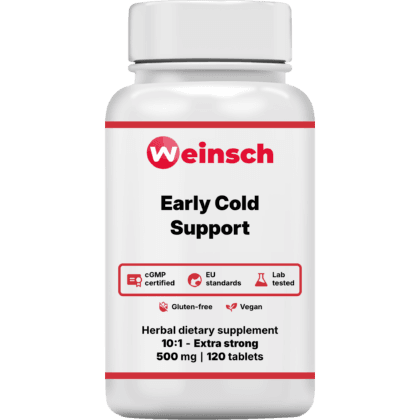
Early Cold Support
-
€ 24,50

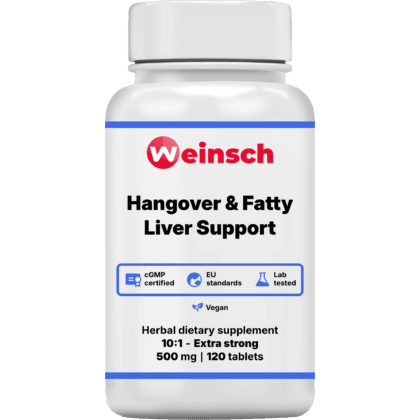
Hangover & Fatty Liver Support
-
€ 24,50

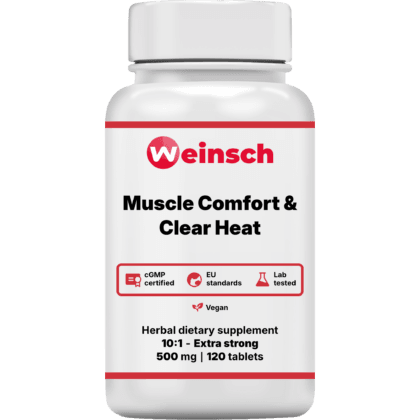
Muscle Comfort & Clear Heat