-
€ 25,50

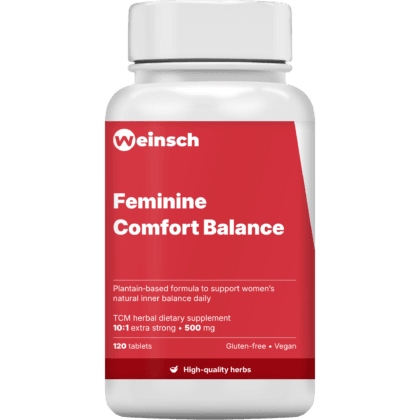
Feminine Comfort Balance
Gordon Euryale Seed
Gordon Euryale Seed (Qian Shi) – The Botanical Used in Traditional Systems to Tonify the Spleen and Stabilize the Kidneys
Gordon Euryale seed (Qian Shi) is the traditional Chinese medicine name for the dried ripe seed of Euryale ferox (also known as fox nut or makhana), a unique aquatic botanical that has been part of traditional East Asian herbal systems for over 2000 years. It is regarded as a nutritional botanical with astringent and stabilizing properties, particularly suitable for formulas aimed at digestive resilience, fluid regulation, and the preservation of vital energy.
Traditional Understanding in TCM Systems
Within traditional Chinese medicine, Gordon Euryale seed (Qian Shi) is described as a sweet, astringent botanical with neutral properties. In the TCM theoretical framework, it acts on the Spleen and Kidney meridians. According to this traditional description, Gordon Euryale seed (Qian Shi) “tonifies the Spleen” and “secures essence” – TCM concepts that stand for strengthening digestion and preventing the unnatural leakage of bodily fluids. When the Spleen and Kidneys lack stabilizing energy, related discomforts like chronic loose stools or frequent urination can arise. Gordon Euryale seed (Qian Shi) helps perform this “astringent and securing” effect.
In TCM formulas, Gordon Euryale seed (Qian Shi) is seen as a food-grade herb that helps support normal digestive transit, stabilize the lower body fluids, and expel dampness. It is traditionally used to promote firm stools, regulate nighttime urination, reduce excessive bodily discharges, and foster grounded vitality.
Botanical Composition and Research
Gordon Euryale seed (Qian Shi) contains primarily complex carbohydrates, plant-based proteins, amino acids, flavonoids, and essential trace minerals like calcium, phosphorus, and iron. This botanical profile is connected in traditional applications with support for normal gastrointestinal tone and structural vitality.
Modern scientific research shows that Gordon Euryale seed extracts can offer specific benefits. Studies show that Gordon Euryale seed (Qian Shi) preparations:
-
Possess antioxidant activity and can combat cellular oxidative stress
-
Can have mild anti-inflammatory action, particularly for the gastrointestinal tract
-
Can support normal blood sugar regulation and metabolic balance
-
Can promote normal digestive transit and relieve chronic irritation
-
Can possess anti-fatigue properties and support muscle endurance
-
Can work supportively on normal kidney function and urinary health
-
Contain unique plant polysaccharides that may protect tissue integrity
-
Are used in traditional formulas with enhanced effects on physical stamina
Scientists particularly investigate how the starch and flavonoid components of the aquatic seed can contribute to normal gut flora balance and normal fluid retention in the body.
Traditional Applications – TCM Context
In traditional TCM formulas, Gordon Euryale seed (Qian Shi) is classically used in situations described as:
-
Chronic loose stools or watery diarrhea linked to Spleen deficiency
-
Frequent urination or incontinence, especially during the night
-
Unbalanced fluid loss including excessive sweating or vaginal discharge
-
General fatigue, physical weakness, or a lack of grounded energy
-
Digestive sluggishness accompanied by a heavy, damp physical sensation
-
Compromised vitality or premature aging symptoms related to Kidney essence loss
These are traditionalist descriptions that form part of the TCM thinking system and must not be equated with medical diagnoses in the sense of European medicinal product law.
Well-being and Daily Use
Gordon Euryale seed (Qian Shi) is valued by modern users as part of a conscious wellness routine aimed at digestive comfort, fluid balance, and foundational stamina, especially when they experience prolonged physical fatigue, loose digestion, or wish to support their lower back and kidney area. The seed works optimally in balanced herbal soups and congees, combined with healthy, warming foods, regular mild exercise, and adequate hydration.
Many users see Gordon Euryale seed (Qian Shi) as part of a long-term approach to digestive health and physical grounding – as a supportive dietary element in traditional routines, alongside professional guidance and regular medical care when needed.