Folic Acid (Vitamin B9) – Synthetic form of folate used to support tissue growth and blood formationFolic acid is the synthetic, highly absorbable form of vitamin B9, which occurs naturally as folate in foods such as dark green leafy vegetables and legumes. In dietary supplements, it is primarily used to assist with cell division, the formation of red blood cells, and—crucially—to support maternal tissue growth during pregnancy.Characteristics, Origin, and CompositionFolate is a water-soluble B vitamin essential for DNA synthesis and cellular growth. Because naturally occurring dietary folate (found in spinach or beans) can sometimes be absorbed less efficiently by the body, supplements and fortified foods utilize the more stable variant, folic acid. The body then converts this folic acid into the active forms it requires. This vitamin also plays a significant role in amino acid metabolism and maintaining normal blood homocysteine levels, which contributes to cardiovascular health.Use in Dietary SupplementsFolic acid is commonly used:As a critical supplement for women planning to conceive and during the first 12 weeks of pregnancy, to significantly reduce the risk of neural tube defects (such as spina bifida) in the developing baby.In B-complexes or multivitamins to support normal blood formation and proper psychological function (including concentration and memory).In high therapeutic doses (via prescription) for the treatment of folate deficiency anemia.The standard recommended daily intake for adults is 400 micrograms (mcg). For pregnant women, 400 to 600 mcg per day is the standard recommendation. If there is a high risk of complications or a diagnosed deficiency, a doctor may prescribe higher doses, such as 4 or 5 mg.Everyday Use and Well-BeingWhen used in appropriate amounts, folic acid is essential for expectant mothers and highly valuable for overall vitality and tissue formation. Dietary supplements do not replace proper nutrition or medical treatment. Individuals taking specific medications (such as methotrexate or anti-seizure drugs) and those who may have a vitamin B12 deficiency should seek advice from a doctor or other qualified health professional, as high doses of folic acid can mask an underlying B12 deficiency.
-
€ 25,00

Brain Support Complex
-
€ 16,00

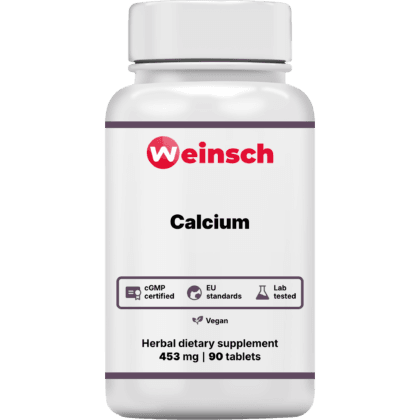
Calcium
-
€ 20,00
Immune Support Premium Bee Complex
-
€ 16,00
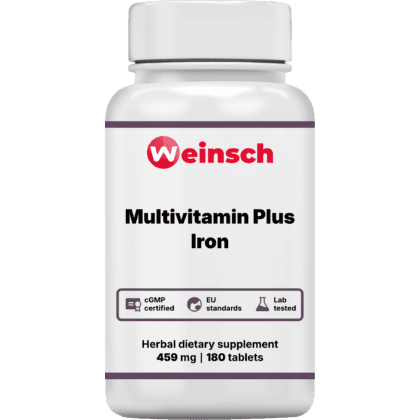
Multivitamin Plus Iron
-
€ 12,00

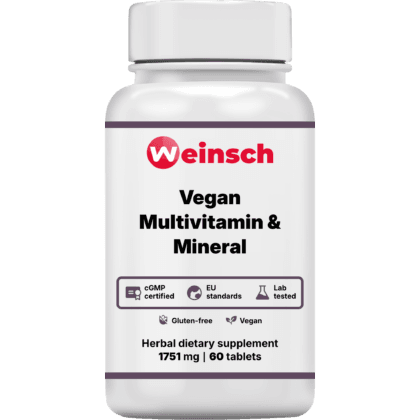
Vegan Multivitamin & Mineral
-
€ 16,00

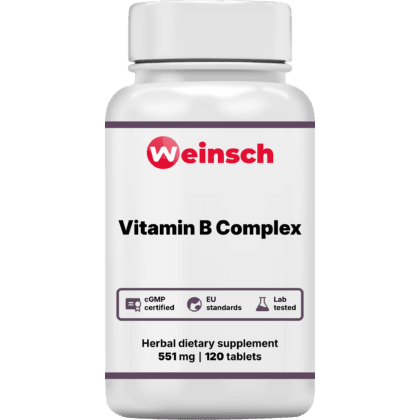
Vitamin B Complex