Fleeceflower Vine (Shou Wu Teng) – The Botanical Used in Traditional Systems to Support Restful Sleep and Inner CalmFleeceflower vine (Shou Wu Teng, also traditionally known as Ye Jiao Teng) is the traditional Chinese medicine name for the dried climbing stem or vine of Polygonum multiflorum (also known as Fallopia multiflora), a gentle botanical that has been part of traditional East Asian herbal systems for over 2000 years. While its famous root is used for deep vitality, the vine is regarded as a calming and harmonizing herb, particularly suitable for formulas aimed at restful sleep, inner tranquility, and relaxing physical tension.Traditional Understanding in TCM SystemsWithin traditional Chinese medicine, Fleeceflower vine (Shou Wu Teng) is described as a soothing substance with neutral properties. In the TCM theoretical framework, it acts primarily on the so-called Heart and Liver meridians. According to this traditional description, Fleeceflower vine (Shou Wu Teng) nourishes the "Blood" and calms the "Shen" – a TCM concept that stands for the mind, spirit, and emotional consciousness. When Heart and Liver energies are unsettled or lack nourishment, signs of restlessness or sleep disturbances can arise. Fleeceflower vine (Shou Wu Teng) helps perform this "calming and anchoring" effect while also gently unblocking energy channels in the limbs.In TCM formulas, Fleeceflower vine (Shou Wu Teng) is seen as a botanical that helps support normal sleep patterns, quiet the mind, and soothe the body's physical pathways. It is traditionally used to promote a healthy night's rest, alleviate generalized tension, soothe aching limbs, and foster a general sense of evening relaxation.Botanical Composition and ResearchFleeceflower vine (Shou Wu Teng) contains primarily anthraquinones (such as emodin), flavonoids, and various naturally occurring antioxidants. This phytochemical profile is connected in traditional applications with support for the nervous system, relaxed muscle tissues, and skin comfort.Modern scientific research shows that Fleeceflower vine extracts can offer specific benefits. Studies show that Fleeceflower vine (Shou Wu Teng) preparations:Possess mild sedative properties that can support natural sleep cycles.Can have antioxidant activity and combat free radicals.Can support a normal nervous system response and help quiet the mind.Can promote normal blood circulation, particularly in the extremities.Possess mild anti-inflammatory action for joint and skin tissues.Can work supportively on normal skin health to alleviate sensations of itching.Are used in traditional formulas with enhanced effects on mental relaxation.Scientists particularly investigate how the active compounds in the vine can interact with neurotransmitter pathways to contribute to normal sleep regulation and a normal stress response.Traditional Applications – TCM ContextIn traditional TCM formulas, Fleeceflower vine (Shou Wu Teng) is classically used in situations described as:Insomnia or restless, dream-disturbed sleep.General anxiety, irritability, or an unsettled feeling in the evening.Aching, stiffness, or soreness in the limbs and joints.Skin itching related to dryness or internal tension.Mild sweating or temperature fluctuations at night.Physical restlessness that prevents relaxation.These are traditionalist descriptions that form part of the TCM thinking system and must not be equated with medical diagnoses in the sense of European medicinal product law.Well-being and Daily UseFleeceflower vine (Shou Wu Teng) is valued by modern users as part of a conscious wellness routine aimed at sleep hygiene, mental calm, and physical relaxation, especially when they struggle to "switch off" at night or experience tension from daily stress. The gentle herb works optimally in balanced herbal sleep mixtures, combined with a calming evening routine, limited screen time before bed, and a comfortable sleeping environment.Many users see Fleeceflower vine (Shou Wu Teng) as part of a natural, holistic approach to nervous system support and restorative rest – as a supportive element in traditional routines, alongside professional guidance and regular medical care when needed.
-
€ 24,50

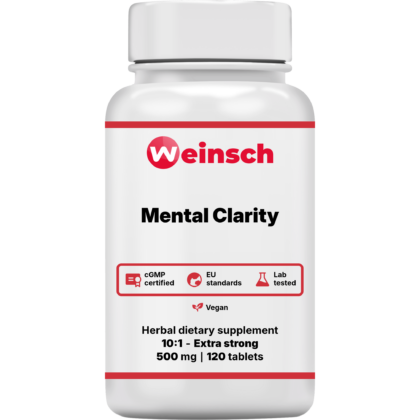
Mental Clarity