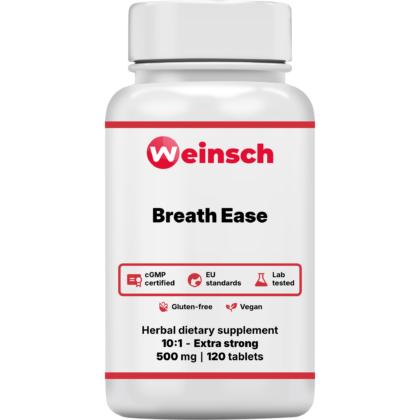
Cynanchum Root (Bai Qian) – The Botanical Used in Traditional Systems to Support Respiratory Comfort and Clear PhlegmCynanchum root (Bai Qian) is the traditional Chinese medicine name for the dried roots and rhizomes of Cynanchum stauntonii or Cynanchum glaucescens, a widely recognized botanical that has been a part of traditional East Asian herbal systems for centuries. It is regarded as a plant with slightly warm, pungent, and bitter properties, particularly suitable for formulas aimed at relieving coughs, clearing heavy phlegm, and smoothing the flow of respiratory energy.Traditional Understanding in TCM SystemsWithin traditional Chinese medicine, cynanchum root (Bai Qian) is described as a pungent, bitter, and slightly warm substance. In the TCM theoretical framework, it acts exclusively on the Lung meridian. According to this traditional description, cynanchum root (Bai Qian) has a powerful ability to "direct Lung Qi downward" – a TCM concept referring to the restoration of the normal downward flow of respiratory energy. When Lung Qi fails to descend properly and becomes obstructed by so-called "Phlegm-Cold" or dampness, discomforts such as chronic coughing, wheezing, and chest tightness can arise. Cynanchum root (Bai Qian) helps perform this targeted "descending and phlegm-resolving" effect.In TCM formulas, cynanchum root (Bai Qian) is seen as a botanical that helps transform and expel excess phlegm, soothe bronchial spasms, and stop persistent coughing. It is traditionally used to promote clear airways, ease breathing difficulties associated with cold-phlegm, and restore a harmonious balance to respiratory functions.Botanical Composition and ResearchCynanchum root (Bai Qian) contains bioactive compounds, most notably specific saponins, which contribute to its traditional applications in supporting lung health and respiratory expectoration. This phytochemical profile is connected in traditional practice to the herb's moistening and mucus-liquefying properties.Modern scientific research shows that cynanchum root extracts can offer specific benefits. Studies show that cynanchum root (Bai Qian) preparations:Possess strong expectorant properties, with saponins helping to liquefy and promote the clearance of mucus from the lungs.Provide antitussive (cough-suppressing) activity by exerting a calming effect on the central nervous system's cough reflex.Can have anti-inflammatory action within the respiratory tract, helping to alleviate symptoms like wheezing.Can promote bronchodilation, helping to relax bronchial muscles and improve airflow.Are used in traditional formulas to manage symptoms of asthma and chronic bronchitis.Scientists particularly investigate how the saponins and other active constituents of Cynanchum stauntonii contribute to healthy mucus membranes and the reduction of respiratory inflammation.Traditional Applications – TCM ContextIn traditional TCM formulas, cynanchum root (Bai Qian) is classically used in situations described as:Productive coughs accompanied by copious, thick, or white phlegm.Wheezing, shortness of breath, or asthma-like symptoms linked to Phlegm-Cold.Chest congestion and a feeling of fullness or tightness in the chest.Chronic bronchitis or respiratory infections where phlegm accumulation is a primary factor.Throat irritation and inflammation caused by persistent coughing.These are traditionalist descriptions that form part of the TCM thinking system and must not be equated with medical diagnoses in the sense of European medicinal product law.Well-being and Daily UseCynanchum root (Bai Qian) is valued by modern users as part of a targeted wellness routine aimed at respiratory clarity, lung health, and the expulsion of stubborn phlegm, especially during cold seasons or when recovering from chest congestion. The herb is typically not used as a standalone daily supplement, but works safely and optimally in balanced herbal mixtures (often prepared as decoctions, powders, or syrups), combined with adequate hydration and rest.Many users see cynanchum root (Bai Qian) as a vital short-term intervention for clearing respiratory pathways – functioning as a supportive element in traditional routines, alongside professional guidance and regular medical care when needed.
-
€ 24,50

Breath Ease