Cocklebur Fruit (Cang Er Zi) – The Botanical Used in Traditional Systems to Support Nasal Comfort and Dispel DampnessCocklebur fruit (Cang Er Zi) is the traditional Chinese medicine name for the mature, dried fruit of Xanthium sibiricum or Xanthium strumarium, a distinctive botanical covered in spiny burs that has been part of traditional East Asian herbal systems for over 2000 years. It is regarded as a plant with warm, pungent, and bitter properties, particularly suitable for formulas aimed at relieving nasal congestion, easing sinus-related discomfort, and clearing deep-seated dampness.Traditional Understanding in TCM SystemsWithin traditional Chinese medicine, cocklebur fruit (Cang Er Zi) is described as a pungent, bitter, and warm substance with a slight toxicity that must be mitigated through proper preparation (usually stir-baking). In the TCM theoretical framework, it acts primarily on the Lung meridian. According to this traditional description, cocklebur fruit (Cang Er Zi) powerfully dispels "Wind" and "Dampness" while opening the nasal orifices – TCM concepts that refer to obstructive, heavy energies that cause blockages in the head and respiratory tract. When Wind and Dampness accumulate, discomforts such as thick nasal discharge, loss of smell, and heavy headaches can arise. Cocklebur fruit (Cang Er Zi) helps perform this targeted "opening and clearing" effect.In TCM formulas, cocklebur fruit (Cang Er Zi) is seen as a botanical that helps support clear nasal passages, relieve intense sinus pressure, and soothe aching joints affected by damp weather. It is traditionally used to promote respiratory comfort, alleviate tension headaches, and assist the smooth flow of vital energy through the upper body.Botanical Composition and ResearchCocklebur fruit (Cang Er Zi) contains a variety of active compounds, including sesquiterpene lactones (such as xanthatin), phenolic acids, glycosides, and essential oils. The raw seeds also contain toxic compounds, which is why traditional preparation (heating/baking) is strictly required to destroy these toxins while preserving the beneficial properties. This carefully managed phytochemical profile is connected in traditional applications with support for clear airways and localized pain relief.Modern scientific research shows that cocklebur fruit extracts can offer specific benefits. Studies show that cocklebur fruit (Cang Er Zi) preparations:Possess anti-inflammatory action, particularly in the nasal passages and respiratory tissuesCan support normal immune responses, especially against allergic triggersCan possess antimicrobial and antibacterial activityCan provide analgesic properties to help manage discomfortCan work supportively on normal joint function and mobilityContain compounds that help regulate excessive mucus productionAre used in traditional formulas with enhanced effects on sinus clearanceScientists particularly investigate how the sesquiterpene lactones and essential oils from properly processed cocklebur fruit can contribute to normal respiratory function, healthy mucus membranes, and a balanced inflammatory response.Traditional Applications – TCM ContextIn traditional TCM formulas, cocklebur fruit (Cang Er Zi) is classically used in situations described as:Nasal congestion, rhinitis, or sinusitis with thick, turbid dischargeLoss of the sense of smell due to nasal blockageIntense, stabbing sinus headaches or occipital (back of the head) painAllergic manifestations affecting the respiratory systemAching joints, muscle cramps, or painful obstruction (Bi syndrome) worsened by dampnessSkin itching or rashes associated with Wind-DampnessThese are traditionalist descriptions that form part of the TCM thinking system and must not be equated with medical diagnoses in the sense of European medicinal product law.Well-being and Daily UseCocklebur fruit (Cang Er Zi) is valued by modern users as part of a targeted wellness routine aimed at respiratory clearance, sinus comfort, and relief from damp-weather joint stiffness, especially during allergy seasons or when recovering from cold exposure. Because it requires careful processing to remove natural toxicity, it is never used raw or as a casual daily supplement. The herb works safely and optimally in precisely balanced herbal mixtures (such as Cang Er Zi San), combined with adequate hydration and a healthy diet.Many users see properly prepared cocklebur fruit (Cang Er Zi) as a vital short-term intervention for sinus and respiratory clarity – functioning as a supportive element in traditional routines, strictly alongside professional guidance and regular medical care when needed.
-
€ 24,50

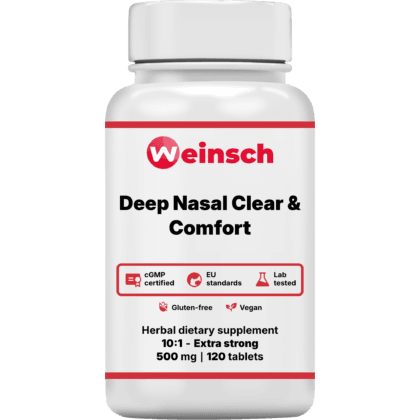
Deep Nasal Clear & Comfort
-
€ 24,50
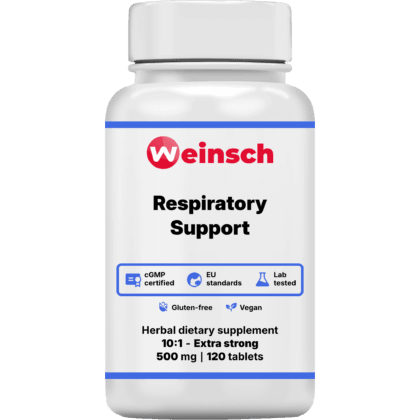
Respiratory Support