-
€ 25,50

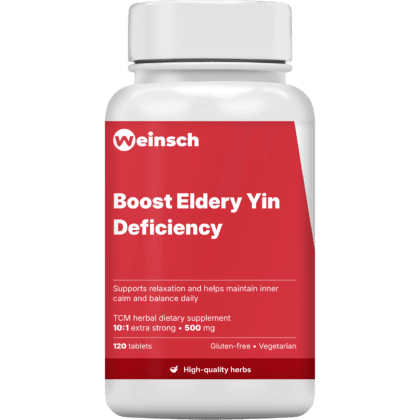
Boost Eldery Yin Deficiency
-
€ 27,50

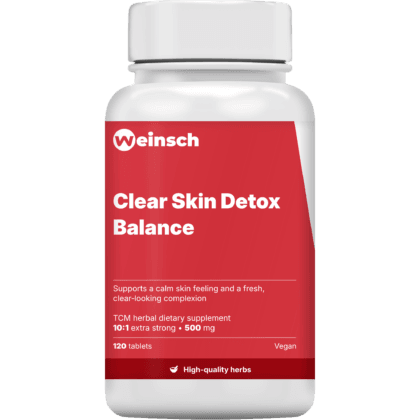
Clear Skin Detox Balance
-
€ 25,50

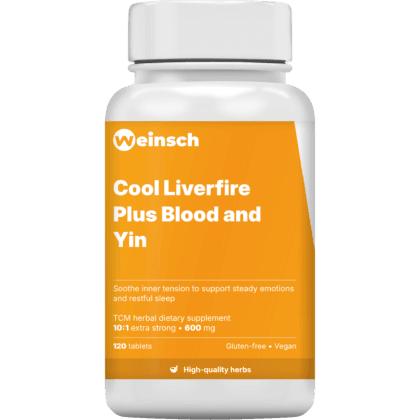
Cool Liverfire Plus Blood and Yin
-
€ 25,50
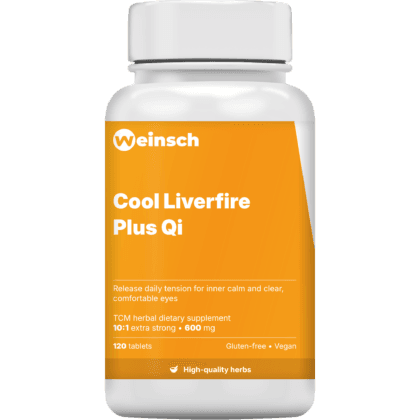
Cool Liverfire Plus Qi
-
€ 25,50
Early Cold Support
-
€ 25,50
Gentle Throat Clear
-
€ 25,50
Vision Vitality
Chrysanthemum Flower
Chrysanthemum flower (Ju Hua) – The Herb Used in Traditional Systems to Support Eye Health and Liver Cooling
Chrysanthemum flower (Ju Hua), also known as chrysanthemum flowers Chrysanthemum morifolium or Chrysanthemum indicum, is a very popular and safe flower that has been part of traditional East Asian medicine systems for over 3000 years. In China, the chrysanthemum is regarded as a symbol of longevity and is highly valued for its calming properties and eye-comfort benefits. This herb has been part of the daily wellness routines of Asian peoples for centuries and is particularly known for its ability to relieve eye irritation, cool the liver and calm inner restlessness.
Traditional Understanding in TCM Systems
Within traditional Chinese medicine, Chrysanthemum flower (Ju Hua) is described as a sweet-bitter and acrid herb with a cool character. In the TCM theoretical framework, it acts on the so‑called Liver and Lung meridians. According to this traditional description, Chrysanthemum flower (Ju Hua) primarily supports normal eye health and calms the “Liver Yang” – a concept in TCM that stands for rising, hot energies that can cause red eyes, headaches, high blood pressure and irritability.
Chrysanthemum flower (Ju Hua) is seen in TCM as an herb that “expels Heat from external invasion,” “calms Liver Yang,” “nourishes Shen (spirit)” and “promotes eye comfort” – meaning it helps support normal eye function, maintain normal Liver Yang balance and soothe inner restlessness. It is traditionally used to support normal eye clarity, ease red or uncomfortable eyes, regulate normal blood pressure and promote emotional stability.
Botanical Composition and Research
Chrysanthemum flower (Ju Hua) contains over 100 bioactive compounds, of which the main ones are:
-
Flavonoids (luteoline, apigenine, cynaroside, nobiletin) – strong antioxidant action
-
Sesquiterpenes (chrysanthenone, safranal)
-
Chlorogenic acid and caffeic acid – anti-inflammatory substances
-
Amino acids and polysaccharides – nutrition and immune support
-
Trace minerals (potassium, magnesium, zinc)
-
Essential oils (camphor, α-pinene, eucalyptol)
Modern scientific research shows that Chrysanthemum flower (Ju Hua) extracts can offer diverse benefits:
-
Eye health support: Studies show that luteoline and other flavonoids can support normal eye cell structure and promote normal visual function. Research suggests Chrysanthemum flower (Ju Hua) can support normal eye comfort, normal eye clarity and normal iris function.
-
Anti-inflammatory action: Chlorogenic acid and caffeic acid possess strong anti-inflammatory properties that can support normal inflammation balance in eye and other tissue.
-
Antioxidant activity: Flavonoids possess strong free-radical-fighting action, providing protection against oxidative stress in eye tissues.
-
Blood pressure support: Studies suggest that certain components can support normal blood vessel function and help maintain normal blood pressure.
-
Normal heart function: Research suggests that certain flavonoids can support normal heart rate and normal coronary blood flow.
-
Calming effect: Certain components can support normal nerve function and promote normal mood, aligning with traditional eye-and-emotional-balance use.
-
Antimicrobial action: Studies show that Chrysanthemum flower (Ju Hua) possesses antimicrobial properties and can support normal immune response.
-
Cooling action: Traditionally used for superficial heat; research suggests certain components can support normal body temperature.
Traditional Applications – TCM Context
In traditional TCM formulas, Chrysanthemum flower (Ju Hua) is classically used in situations described as:
-
Red, uncomfortable or inflamed eyes
-
Blurred vision or visual fatigue
-
Dry eyes or scratchy sensation
-
Floaters in vision
-
Near-sightedness or blurred vision when fatigued
-
Headache or migraine related to Liver Yang
-
High blood pressure with Liver Yang pattern
-
Irritability or anxiety related to external wind-heat
-
Red throat or mild cold symptoms
-
Supporting normal eye clarity and vision comfort
-
Promoting normal emotional balance and inner peace
These are traditionalist descriptions that form part of the TCM thinking system and must not be equated with medical diagnoses in the sense of European medicinal product law.
Well-being and Daily Use
Chrysanthemum flower (Ju Hua) is valued by modern users as part of a conscious wellness routine aimed at eye health, normal blood pressure, emotional balance and general heat regulation, especially when they spend much time on screens, have red eyes, are under stress or wish to support their eye health. The herb works optimally in daily tea, in warm or iced form, traditionally combined with Goji berries (Gou Qi Zi) for synergistic eye benefits.
Many users see Chrysanthemum flower (Ju Hua) as part of a daily health practice – as a nutrient-rich, cooling flower for eye health and emotional balance, alongside professional guidance and regular medical care when needed.