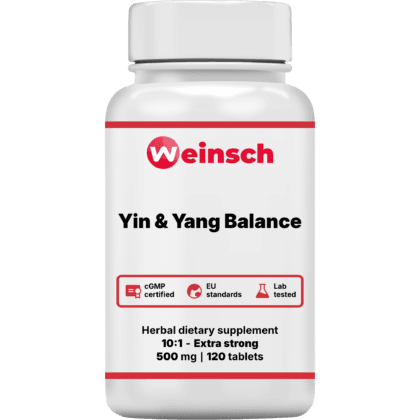
Chinese Rhubarb Root (Da Huang) – The Botanical Used in Traditional Systems to Support Digestive Clearance and Internal BalanceChinese rhubarb root (Da Huang) is the traditional Chinese medicine name for the dried root and rhizome of Rheum palmatum, Rheum tanguticum or related Rheum species, a distinctive botanical that has been part of traditional East Asian herbal systems for over 2000 years. It is regarded as a plant with cold, bitter and strongly clearing properties, particularly suitable for formulas aimed at digestive clearance, internal heat balance and the smooth movement of accumulated stagnation.Traditional Understanding in TCM SystemsWithin traditional Chinese medicine, Chinese rhubarb root (Da Huang) is described as a bitter and cold substance with draining and purging properties. In the TCM theoretical framework, it acts on the so-called Heart, Large Intestine, Liver and Stomach meridians. According to this traditional description, Chinese rhubarb root (Da Huang) clears the so-called “Heat” and drains accumulation – TCM concepts that refer to excess, congestion and internal build-up. When Heat and accumulation become excessive, discomforts such as fullness, dryness and obstructed elimination can arise. Chinese rhubarb root (Da Huang) helps perform this strong “clearing” and downward-directing effect.In TCM formulas, Chinese rhubarb root (Da Huang) is seen as a botanical that helps support normal bowel movement, clear excess heat, invigorate the Blood and reduce internal stagnation. It is traditionally used to promote digestive relief, support abdominal comfort, help maintain a clear internal balance and assist the smooth discharge of accumulated excess.Botanical Composition and ResearchChinese rhubarb root (Da Huang) contains primarily anthraquinones such as emodin, rhein, chrysophanol and aloe-emodin, together with tannins, stilbenes and other polyphenolic compounds. This phytochemical profile is connected in traditional applications with support for digestive function, elimination and metabolic balance.Modern scientific research shows that Chinese rhubarb root extracts can offer specific benefits. Studies show that Chinese rhubarb root (Da Huang) preparations:Possess laxative activity and can support bowel transitCan have anti-inflammatory action, particularly in digestive tissuesCan support normal liver and biliary functionCan promote normal circulation and movement of accumulated stagnationCan possess antioxidant activity and help combat free radicalsCan work supportively on normal microbial balanceContain anthraquinones that are being studied for their effects on cellular signalingAre used in traditional formulas with enhanced effects on digestive clearanceScientists particularly investigate how anthraquinones and polyphenolic compounds from rhubarb root can contribute to normal intestinal movement, normal inflammatory balance and healthy tissue responses.Traditional Applications – TCM ContextIn traditional TCM formulas, Chinese rhubarb root (Da Huang) is classically used in situations described as:Constipation with dryness or hard stoolsAbdominal fullness, distension or internal accumulationHeat-related digestive discomfortDamp-heat patterns affecting the intestinesHeadache or irritability linked to excess internal heatMenstrual discomfort associated with Blood stagnationSkin eruptions described traditionally as heat-toxin relatedTraumatic swelling or localized stagnationThese are traditionalist descriptions that form part of the TCM thinking system and must not be equated with medical diagnoses in the sense of European medicinal product law.Well-being and Daily UseChinese rhubarb root (Da Huang) is valued by modern users as part of a targeted wellness routine aimed at digestive clearance, abdominal lightness and internal balance, especially when they feel overloaded, sluggish or heat-affected. The herb works optimally in balanced herbal mixtures, combined with a fiber-rich diet, good hydration and regular daily movement.Many users see Chinese rhubarb root (Da Huang) as part of a short-term or carefully guided approach to digestive regulation and internal clearing – as a supportive element in traditional routines, alongside professional guidance and regular medical care when needed.
-
€ 24,50

Yin & Yang Balance