-
€ 25,50

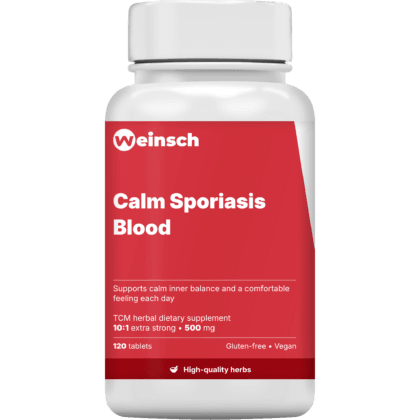
Calm Sporiasis Blood
China Root
China Root (Tu Fu Ling) – The Botanical Used in Traditional Systems to Clear Damp-Heat and Support Skin Health
China root (Tu Fu Ling) is the traditional Chinese medicine name for the dried rhizome of Smilax glabra, a unique creeping vine that has been part of traditional East Asian herbal systems for centuries. It is regarded as a botanical with clearing and detoxifying properties, particularly suitable for formulas aimed at skin comfort, joint mobility, and the resolution of damp, stagnant energy.
Traditional Understanding in TCM Systems
Within traditional Chinese medicine, China root (Tu Fu Ling) is described as a sweet, bland botanical with neutral properties. In the TCM theoretical framework, it acts on the Liver and Stomach meridians. According to this traditional description, China root (Tu Fu Ling) clears “Damp-Heat” and resolves “Toxicity” – TCM concepts that stand for localized inflammation, sluggish fluid metabolism, and trapped impurities. When Damp-Heat settles in the body (particularly affecting the skin and lower joints), related discomforts can arise. China root (Tu Fu Ling) helps perform this “clearing and resolving” effect.
In TCM formulas, China root (Tu Fu Ling) is seen as an herb that helps support normal fluid clearance, soothe irritated tissues, and calm localized heat. It is traditionally used to promote clear skin, ease stiff or heavy joints, reduce urinary discomfort, and foster general physical purity.
Botanical Composition and Research
China root (Tu Fu Ling) contains primarily flavonoids (such as astilbin), steroidal saponins (like smilagenin), phenolic acids, and trace minerals. This botanical profile is connected in traditional applications with support for normal cellular clearance and structural vitality.
Modern scientific research shows that China root extracts can offer specific benefits. Studies show that China root (Tu Fu Ling) preparations:
-
Possess antioxidant activity and can combat free radicals
-
Can have anti-inflammatory action, particularly for skin and joint tissues
-
Can support normal uric acid metabolism
-
Can promote normal cellular detoxification
-
Can possess antimicrobial and antibacterial activity
-
Can work supportively on normal immune response
-
Contain astilbin that may be protective for liver and kidney function
-
Are used in traditional formulas with enhanced effects on dermatological health
Scientists particularly investigate how the flavonoid and saponin components of the rhizome can contribute to normal tissue regeneration and normal inflammation balance in the body.
Traditional Applications – TCM Context
In traditional TCM formulas, China root (Tu Fu Ling) is classically used in situations described as:
-
Uncomfortable, red, or weeping skin irritations
-
Aching joints or stiffness worsened by damp weather
-
Sluggish fluid metabolism or heavy limbs
-
Recurrent localized heat or tissue swelling
-
Discomfort during urination linked to lower body dampness
-
Mild digestive upset associated with stagnant heat
-
Compromised tissue recovery with a weeping character
-
General feeling of toxicity or sluggishness
These are traditionalist descriptions that form part of the TCM thinking system and must not be equated with medical diagnoses in the sense of European medicinal product law.
Well-being and Daily Use
China root (Tu Fu Ling) is valued by modern users as part of a conscious wellness routine aimed at skin comfort, joint mobility, and internal purity, especially when they live in damp climates, experience occasional breakouts, or wish to support their body’s natural clearing processes. The herb works optimally in balanced herbal teas or broths, combined with a clean diet (rich in hydrating vegetables), regular movement, and adequate hydration.
Many users see China root (Tu Fu Ling) as part of a long-term approach to skin health and physical lightness – as a supportive element in traditional routines, alongside professional guidance and regular medical care when needed.