-
€ 25,50

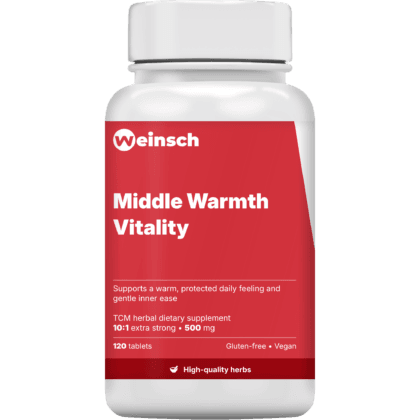
Middle Warmth Vitality
Barley Malt Sugar
Barley Malt Sugar (Yi Tang) – The Traditional Sweetener Used in Herbal Systems to Tonify the Spleen and Soothe Spasms
Barley malt sugar (Yi Tang, also known as Jiao Yi) is the traditional Chinese medicine name for the thick, golden syrup extracted from sprouted barley and fermented grains. Far more than just a culinary sweetener, this rich, sticky malt extract has been a cornerstone of East Asian herbal systems for over two millennia. It is particularly renowned for its gentle ability to nourish a weak digestive core, relax abdominal cramping, and provide sustained foundational energy without causing sudden metabolic spikes.
Traditional Understanding in TCM Systems
Within traditional Chinese medicine, barley malt sugar (Yi Tang) is described as a sweet, slightly warm, and deeply nourishing material. In the TCM theoretical framework, it acts primarily on the Spleen, Stomach, and Lung meridians. According to this traditional description, barley malt sugar (Yi Tang) supports “tonifying the Middle to stop pain” and “moistening the Lungs to stop coughing” – crucial TCM concepts for relieving tension caused by internal deficiency and dryness.
Barley malt sugar (Yi Tang) is seen in TCM as a harmonizing agent that “nourishes Qi,” “moderates spasms,” and “generates fluids.” It is traditionally used to promote normal digestive strength, ease lingering abdominal tension, and help the body recover from exhaustion or chronic dry respiratory irritation.
Biological Composition and Research
Barley malt sugar (Yi Tang) contains numerous biologically active and nutritional substances, of which the main ones are:
-
Maltose – a complex disaccharide that provides a steady, sustained release of cellular energy
-
B vitamins – essential water-soluble nutrients that support metabolic and neurological function
-
Trace minerals (such as iron and magnesium) – vital elements for physical resilience and muscle relaxation
-
Amino acids – structural building blocks released during the grain sprouting process
-
Amylase enzymes – naturally occurring digestive proteins that assist in carbohydrate breakdown
Modern scientific research shows that barley malt sugar (Yi Tang) components can offer diverse benefits:
-
Smooth muscle relaxation: Research suggests that the specific nutritional profile helps relax the smooth muscles of the gastrointestinal tract, easing stress-related cramps and spasms.
-
Sustained energy production: Studies indicate that maltose is metabolized more steadily than refined sucrose, providing a reliable energy source for fatigued individuals.
-
Respiratory hydration: Traditional use and modern observation point to a gentle lubricating effect on the throat and lung mucosa, relieving dry irritation.
-
Gastrointestinal support: The natural digestive enzymes and gentle carbohydrates provide easy-to-absorb nourishment for a sensitive or recovering stomach.
-
Neurological comfort: The naturally occurring minerals and B vitamins offer mild support for calming a stressed or depleted nervous system.
Traditional Applications – TCM Context
In traditional TCM formulas, barley malt sugar (Yi Tang) is classically used in situations described as:
-
Dull, lingering abdominal pain or cramping that improves with gentle pressure and warmth
-
Chronic fatigue, pale complexion, and low physical energy linked to a weak Spleen
-
A dry, unproductive cough accompanied by a scratchy throat
-
Poor appetite or digestive sluggishness following a long illness
-
General restlessness or emotional tension tied to internal physical depletion
These are traditionalist descriptions that form part of the TCM thinking system and must not be equated with medical diagnoses in the sense of European medicinal product law.
Well-being and Daily Use
Barley malt sugar (Yi Tang) is valued by modern users as a functional, therapeutic sweetener aimed at digestive harmony, muscular relaxation, and gentle energy restoration. Because of its thick, syrupy texture, it is typically stirred directly into hot herbal decoctions, warm teas, or restorative broths just before drinking, allowing its soothing properties to coat the throat and stomach.
Many users see barley malt sugar (Yi Tang) as a comforting, grounding element in traditional routines – especially for resolving cold-induced digestive cramps and supporting winter wellness – alongside regular medical care when needed.