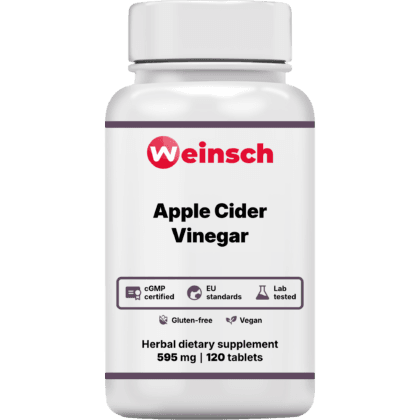
Apple Cider Vinegar – Fermented Apple Ingredient with Organic Acids for Normal Digestion, Meal Response and Metabolic BalanceApple Cider Vinegar is a fermented apple‑based ingredient traditionally used as a food and in supplements to support normal digestion and the normal physiological response to meals. It is not a classical herb but a fermented food‑and‑acid complex derived from apple, with acetic acid usually serving as the dominant acid and smaller amounts of other organic acids, including malic acid, also present. In modern nutraceutical systems, apple cider vinegar is often positioned as a meal‑related digestive support ingredient for daily routine and lifestyle formulas.Systems Perspective – “Fermented Acids for Digestion and Meal Balance”Within modern nutrition and functional systems thinking, apple cider vinegar is described as a source of organic acids that can support the normal digestive environment and the normal physiological response to meals. In this framework, apple cider vinegar is said to:support normal digestive function around meals,help maintain normal appetite and satiety balance,support the normal carbohydrate and energy response after eating,fit into routines aimed at normal metabolic and weight balance as part of a healthy lifestyle.In this perspective, it is not treated as a stand‑alone miracle ingredient but as a functional food component whose value depends on the wider dietary pattern.Distinctive Feature – Fermented Apple Matrix with Acetic Acid as Main ComponentApple cider vinegar is often associated with malic acid because apples naturally contain malate, but in the finished fermented product acetic acid is usually the predominant organic acid. This fermented acid matrix gives the ingredient its characteristic profile. Depending on processing, the product may also contain trace polyphenols and other apple‑derived components. For that reason, apple cider vinegar is often viewed as a “fermented food ingredient” with a broader profile than a single isolated acid.Origin and CompositionApple cider vinegar is produced by fermentation of apple juice or apple material: first, yeasts convert sugars into alcohol, and then acetic acid bacteria convert that alcohol into acetic acid. The final product typically contains:acetic acid as the main organic acid fraction,smaller amounts of malic acid and other organic acids,water and residual apple components,depending on the product, trace polyphenols and fermentation‑related constituents.In supplements, apple cider vinegar may appear as a liquid, powder or concentrated extract in capsules, tablets, gummies or liquid shots.Nutrient Properties – Research ContextIn modern nutrition and lifestyle discussions, apple cider vinegar is mainly considered in relation to support of:normal digestion and meal comfort, especially around heavier or carbohydrate‑rich meals,normal glycaemic meal response, as part of a balanced dietary pattern,normal satiety and appetite control, relevant to structured eating habits,normal metabolic balance, when used alongside diet, exercise and lifestyle measures.These descriptions refer to support of normal physiological processes and are not claims to treat diabetes, obesity, reflux or other medical conditions.Use in Modern FormulasApple cider vinegar is commonly included in:digestive and meal‑support formulas,metabolism and weight‑management products,combinations with chromium, cinnamon, ginger or fibre,convenient delivery forms such as capsules, gummies and liquid shots for users who dislike the strong sour taste of liquid vinegar.In these formulas, it usually acts as a functional food base with a clear “meal support” role.Dosage, Use and Temporal PatternIn practice, apple cider vinegar is often used before or around meals, either diluted in water as a liquid vinegar or in equivalent powder/extract amounts in supplement form. Daily intake varies by product and concept, but is usually kept low to moderate to reduce acid stress on the stomach, oesophagus and teeth. Use is often daily or course‑based, especially during periods focused on meal structure, dietary discipline or weight balance.Warnings and Target GroupsApple cider vinegar should be used thoughtfully, particularly in liquid form. Important considerations include:Its acidity may cause stomach or oesophageal irritation in sensitive individuals.Undiluted use may contribute to tooth enamel erosion.Caution is advisable in those with reflux, sensitive stomach, ulcers or when using medicines where gastric or electrolyte balance matters.People taking diabetes medication, diuretics or other drugs affecting glucose or potassium should discuss use with a healthcare professional.During pregnancy and breastfeeding, normal food use is usually not an issue, but higher supplemental intakes are best reviewed professionally.Apple cider vinegar is not intended to replace medical treatment or a healthy lifestyle.Nutrient/System DisclaimerApple Cider Vinegar is a fermented food ingredient that may support normal digestive and meal‑related functions as part of a healthy lifestyle. Terms such as “normal meal response”, “normal metabolic balance” and “normal digestion” refer to physiological normality and do not constitute medical diagnosis or treatment claims. Individuals with persistent stomach or oesophageal symptoms, blood sugar issues, disordered eating or other medical conditions should consult a qualified healthcare professional before using apple‑cider‑vinegar‑containing supplements regularly.
-
€ 16,00

Apple Cider Vinegar
-
€ 24,00
Glucosamine