Copper Sulphate Anhydrous – Mineral compound used in very low doses as a trace copper sourceCopper sulphate anhydrous is the dehydrated (water-free) form of copper sulphate, an inorganic compound of the trace element copper and sulphate. In human and animal nutrition supplements, copper is used in strictly regulated, very low amounts, because copper is essential for multiple enzymes and bodily processes, but can quickly become toxic at higher intakes.Characteristics, Origin, and CompositionCopper is a necessary trace element involved in connective tissue formation, iron transport, energy metabolism, and protection against oxidative stress. Anhydrous copper sulphate is a concentrated crystalline source of copper(II) ions. Because the water molecules have been removed from the crystal lattice, the anhydrous form contains more copper per gram than the hydrated form, which makes precise dosing particularly critical. In supplement technology, the amount of elemental copper is carefully calculated and aligned with safe, legally defined upper limits.Use in Dietary SupplementsCopper compounds such as (anhydrous) copper sulphate are:Used in micronutrient complexes or multivitamins in very low doses as a copper source, to complement daily dietary intake.Included in animal feeds to prevent or correct copper deficiencies in livestock and pets.Occasionally used in fortified foods or special medical nutrition, always within strict safety limits.In human supplements, daily doses of copper are typically in the microgram range up to about 1–2 mg elemental copper, depending on national guidelines. The raw material itself is highly concentrated and is heavily diluted and evenly distributed within the finished formulation.Everyday Use and Well-BeingCopper is essential, yet the margin between adequate and excessive intake is relatively narrow. It is therefore crucial that copper sulphate be used only in professionally formulated products and in accordance with applicable regulations. Dietary supplements do not replace proper nutrition or medical treatment. Individuals with liver or biliary disease, children, pregnant women, and people with copper metabolism disorders (such as Wilson’s disease) should be especially cautious and only use copper-containing supplements on the advice of a doctor or other qualified health professional.
-
€ 12,00

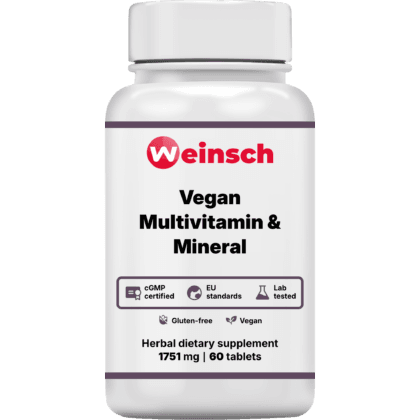
Vegan Multivitamin & Mineral